





What Diamondaud Reviews Usually Focus On
Most players do not begin with a deposit. They begin with a scan. In 2026, people usually compare how easy the sign-up flow feels, whether banking options are clearly shown, how fast the lobby loads, and how simple it is to find tools for limits or account breaks. For Australia readers, the platform is presented as available to adult users who follow local rules and standard account checks. The useful angle is routine: can a player open an account, understand the menu, test the layout, and move through the basic steps without friction?
Imagine a new user opening the platform during a lunch break. They are not looking for big promises - they want to know where the cash desk is, how the menu behaves on mobile, and whether game categories make sense after the first few taps. Good analysis usually follows that same path, because day-to-day comfort matters more than glossy claims.
A strong review also explains actions, not moods. It shows what happens when you search for a title, open a payment screen, or try to pause play for a week. That is what separates useful reading from filler, especially when adults in Australia want a practical overview that respects local age rules and responsible-play expectations.
Account Setup Without Guesswork
Creating an account is usually quick, but the process still rewards patience. You enter core details, confirm contact information, and then move into the part many users rush - checking identity prompts, account settings, and payment limits before real money enters the picture. If you treat registration as a checklist instead of a race, the first session tends to go much smoother.
For example, many players fill in the basics, reach the lobby, and immediately start browsing. A better move is to open the profile area first, see what fields are still pending, and review any account control tools already available. That extra minute can prevent confusion later, when a withdrawal request or a security check asks for information you could have prepared at the start.
Registration Flow In Real Use
The easiest way to judge the sign-up flow is to follow the same order most regular users follow: create the profile, confirm contact details, review the cashier, then return to the lobby and explore without pressure. If a platform hides key steps behind too many menus, you feel it immediately. If it is laid out well, each screen answers the next question before you need to ask it.
Picture someone joining from a phone after work. They enter details with one hand, switch to the wallet area, then back to the game library. When each screen loads cleanly and the labels stay consistent, the experience feels controlled. When labels change or essential menus move around, trust drops fast, even before the first payment.
How To Read A Diamondaud Review Before Joining
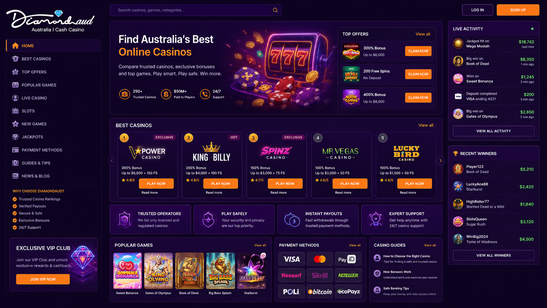
A useful platform breakdown should tell you what you can actually do in the first hour. Can you search by category, sort by theme, and understand the cashier without hunting through multiple panels? Can you find account controls such as session reminders, cooling-off tools, or self-exclusion options without digging into help pages? Those are the questions worth reading for. Imagine checking a platform on a busy evening: if the layout makes simple actions feel slow, that is not a small design flaw but a practical warning for everyday use in 2026.
What Experienced Players Check First
Regular users often begin with the boring parts - and that is smart. They open the payments area, read the terms attached to bonuses or promotions, check the support entry point, and look for account controls tied to spending or time. Only after that do they browse the game lobby in detail. It may not feel exciting, but it is a far better method than reacting to a large banner on the main page.
Imagine you are comparing two brands in one evening. One makes deposits obvious but hides withdrawal information until late in the process. The other shows limits, verification notes, and support paths early. Most experienced players will trust the second one more, because clarity saves time and reduces friction when real money is involved.
Where New Users Usually Rush
New players often do three things too quickly: they skip the profile settings, they ignore payment notes, and they accept a promotion before checking how it fits their budget. None of these mistakes is dramatic on its own. Together, though, they create the classic bad first session - too much clicking, not enough control, and a wallet decision made before the account is fully understood.
A simple example: you deposit, pick a game, then later discover that your preferred payout method needs extra confirmation or follows a different path. That can feel like a platform problem even when the issue began with skipped preparation. Slowing down early is often the cleanest way to judge whether a brand truly suits your routine.
Banking Tools And Daily Money Control
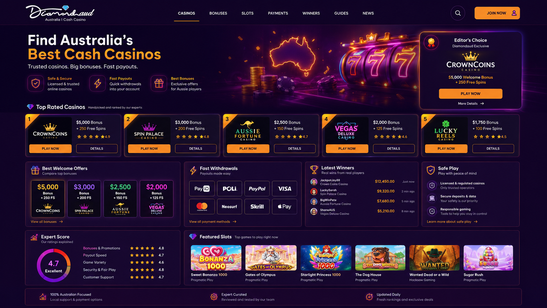
Banking is where convenience stops being abstract. A platform can look polished, yet still become frustrating if the cashier is hard to navigate or if the withdrawal path feels unclear. Most adults want to know four things quickly: which payment methods appear, whether deposits and payouts follow separate steps, what verification might be requested, and how easy it is to track pending activity from the profile area.
A sensible approach is to test the payment menu before committing to a longer session. Open the cashier, review the available methods, read the basic notes, and decide what fits your budget and pace. If you prefer tighter control, smaller deposits and a visible transaction history are usually more useful than chasing the fastest possible start.
Option Type | How Players Usually Use It | What To Check First | Best Fit |
|---|---|---|---|
Bank card | Fast account funding for short sessions | Whether the card route and payout route match | Players who want a familiar method |
Digital wallet | Quick movement between balance and wallet | Identity prompts and withdrawal path | Users who value speed and flexibility |
Bank transfer | Larger, more deliberate account funding | Processing pace and account details | Players planning structured budgeting |
Prepaid solution | Strict spend control without linking a main account | Availability and cashier instructions | Users who want hard limits from the start |
One common scenario is a user who deposits smoothly, then only later checks how to cash out. That order is backwards. A better habit is to review the withdrawal section before the first payment, because it reveals how transparent the platform is when money moves the other way.
Game Selection And Session Planning
A broad lobby means little if it is hard to navigate. The useful question is whether you can move from category to category without losing your place, compare low-risk and higher-variance options, and decide what kind of session you want before emotion takes over. In practice, a tidy filter system does a lot of the work.
Think of a player opening the library late at night after a long day. They do not want endless scrolling. They want a short route: table games here, slots there, live options clearly marked, search working properly, and recent picks saved in a way that makes sense. When the structure supports that flow, the platform feels calmer and easier to manage.
Picking A Format That Matches Your Budget
The format you choose often shapes the whole evening. Quick-spin games can burn through a balance faster than expected, while slower table formats may suit users who want more time between decisions. Live rooms can feel social and immersive, but they also encourage momentum. The right choice depends less on trends and more on how you prefer to pace money and attention.
Imagine someone funding an account with a modest amount and hoping to stretch play over an hour. Starting with slower formats, using smaller stakes, and avoiding rapid-fire switching usually works better than jumping across five games in ten minutes.
Using Demo Modes, Filters, And Limits
Exploration tools matter because they reduce guesswork. Demo access, category filters, favourite lists, and search functions all help users build a routine instead of drifting through whatever appears first. Even small features - such as sorting recent games or hiding categories you never use - can make the overall experience feel more deliberate.
A common scenario is a player who wants to compare mechanics before spending. They browse by theme, test a few titles in no-cost mode where available, then set a spending cap before returning to the real-money lobby. That sequence is simple, but it prevents the platform from steering every decision.
Mobile Use, Speed, And Support
Mobile performance is no longer a bonus feature. For many people, it is the main experience. The key questions are simple: does the menu stay readable on a smaller screen, does the cashier behave properly, and can support be reached without opening three different panels? If the answer is yes, everyday use becomes much easier.
Picture a commuter checking the account on the way home. They may review the balance, open a game for a short session, then pause to message support about a payment status. If the design works well on mobile, those tasks feel connected. If not, the user ends up repeating steps that should have taken seconds.
What Happens When You Need Help Mid-Session
Most support contacts happen in the middle of something, not at a calm moment. A deposit is pending, a document check is unclear, a game freezes, or a limit tool needs adjustment. In those moments, the platform does not need to sound clever. It needs to be easy to navigate.
Imagine a player trying to leave a session after a technical hiccup. They want to confirm that the balance is accurate, save a screenshot, and contact support without losing context. When the help path is well built, that process is manageable. When it is buried or vague, even a small issue feels bigger than it is.
Safer Play Habits For 2026
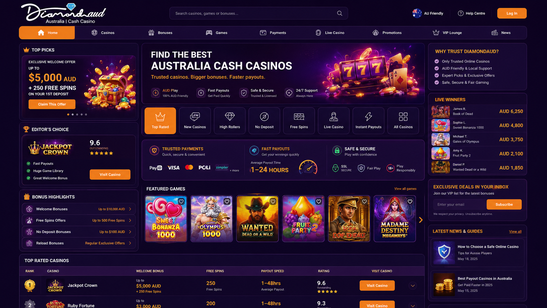
Responsible play tools should be treated as standard equipment, not emergency buttons. Deposit caps, time reminders, temporary breaks, and longer self-exclusion settings are most effective when used early, before emotions start shaping decisions. The platform should make these controls visible and easy to activate for adults who want a more structured routine.
A realistic example is someone planning a weekend session. Instead of relying on memory, they set a deposit limit, choose a time reminder, and decide in advance what result ends play for the day. That removes pressure in the moment. The session stops being open-ended and becomes a choice with boundaries.
In 2026, this practical mindset matters more than ever. Players are used to smooth interfaces, instant movement between screens, and constant prompts to keep going. The best counterweight is a setup that makes stopping just as simple as starting.